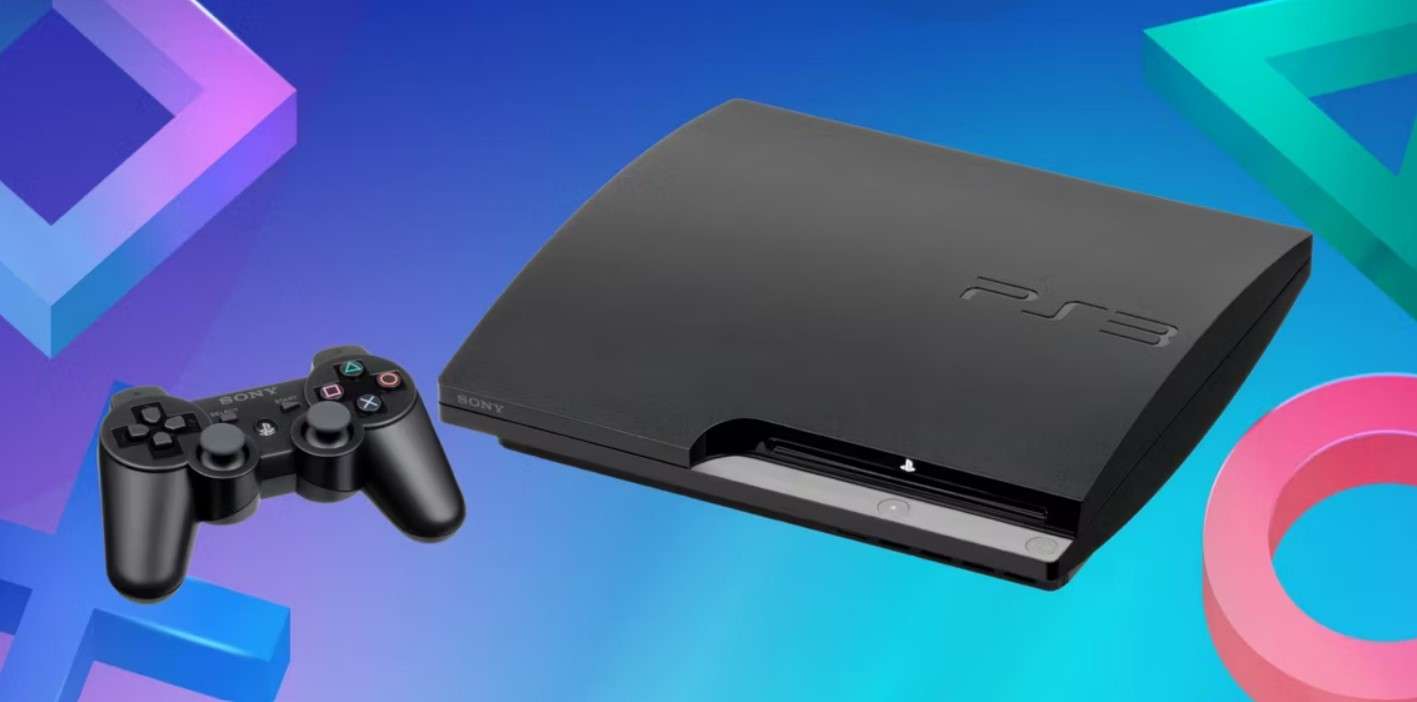
PS3 Receives Surprise Update: Why Sony Still Supports a 20-Year-Old Console
In a digital age where technology evolves at breakneck speed, some things defy expectation. Few would have predicted that a console launched nearly two decades ago would still be receiving official firmware updates. Yet, here we are in 2026, witnessing a truly remarkable event: the PlayStation 3, Sony's venerable third home console, has just received another surprise system update.
The news, which might be succinctly captured as "Ps3 Recebe Atualização" by our Portuguese-speaking readers, signals that this classic console, first launched in November 2006, continues to receive a basic level of technical attention from its creator. While Sony officially ceased major support for the PS3 years ago, these periodic updates — the last significant one arriving just over a year ago in March 2025 — keep the console ticking. But why would a global tech giant continue to invest resources in a platform that's essentially a relic by industry standards? The answer, as we'll explore, lies in a blend of legal obligations, community preservation, and surprisingly, multimedia functionality.
More Than Just a "Performance Boost": Unpacking the Real Reasons
Whenever an update arrives for an aging console like the PlayStation 3, the official changelog often reads with a familiar, almost boilerplate phrase: "improves system performance." This was indeed the explanation provided for the latest firmware, version 4.93. While such updates can genuinely offer minor stability tweaks, for a console whose hardware capabilities were pushed to their limits years ago by titles like The Last of Us and Grand Theft Auto V, a dramatic performance leap is highly unlikely.
The gaming community, ever observant and eager to uncover the truth, quickly began to speculate. Many theories circulated, ranging from the mundane to the intriguing:
- General System Stability: The simplest explanation, ensuring the core operating system remains robust.
- Security Enhancements: Patches for potential vulnerabilities that could be exploited by hackers or custom firmware developers. This is a perpetual cat-and-mouse game in the console world.
- Digital Rights Management (DRM) Updates: A common suspect, particularly concerning the console's Blu-ray playback capabilities.
While "improved system performance" is technically true in a broad sense (a more secure system performs better by being less vulnerable), the primary drivers for these annual PS3 updates are far more specific and less about gaming fluidity. The real story lies in the PS3's dual identity as both a gaming powerhouse and a Blu-ray media player.
The Blu-ray Security Mandate: Keeping Your PS3 Relevant
The most compelling and widely accepted reason for these periodic PS3 updates revolves around its Blu-ray player functionality. The PlayStation 3 was a pioneering device, one of the first mainstream consoles to incorporate a Blu-ray drive, which was a significant selling point at its launch. This feature meant that the PS3 wasn't just a gaming machine; it was also a high-definition media center for countless households.
To ensure continued compatibility with newer physical Blu-ray movies, Sony is bound by licensing agreements related to the Advanced Access Content System (AACS). AACS is the copy protection and digital rights management system used for Blu-ray discs. The encryption keys used by AACS are regularly updated by the consortium that manages the standard to combat piracy. As a manufacturer of AACS-compliant hardware, Sony has a contractual obligation to ensure its devices can decrypt and play newer content.
Without these updates, PS3 owners would eventually find themselves unable to play recently released Blu-ray films on their console. This isn't just about preserving functionality; it's about Sony fulfilling its legal commitments as an AACS licensee. So, while the gaming aspect of the PS3 might seem to be in its twilight, its role as a functional Blu-ray player keeps it firmly on Sony's maintenance radar. It's a testament to the foresight of incorporating a then-next-gen media format into the console, giving it an unexpected extended lease on life.
A Double-Edged Sword: The Impact on Modded Consoles
For a significant portion of the PS3 community, particularly those who have ventured into the world of Custom Firmware (CFW) or other console modifications, these official updates present a recurring challenge. Custom firmware allows users to unlock various functionalities not available on standard consoles, from running homebrew applications to playing backups of games. However, installing an official firmware update like 4.93 will immediately overwrite any custom modifications.
The consequences for CFW users can range from merely losing their modified features to more severe outcomes, including "bricking" the console if the update process isn't handled correctly or if specific precautions aren't taken. Bricking renders the console unusable, effectively turning it into a very expensive paperweight. Therefore, a critical piece of advice for anyone running custom firmware is to avoid installing official updates until the modding community releases a compatible version of the custom firmware that incorporates the new official changes without breaking the existing modifications.
This annual dance between Sony's official updates and the modding community highlights the persistent cat-and-mouse game of digital security and user freedom. For a deeper dive into this specific challenge, we recommend reading: PS3 Update 4.93: Blu-ray Security & What It Means for CFW Users.
For standard users, however, the update is generally seamless. It's often mandatory for accessing the PlayStation Network (PSN), ensuring that even two decades on, if you want to hop online for a classic match, your console needs to be up to date.
Longevity and Legacy: Why Sony Still Cares (or Has To)
Beyond the legal obligations surrounding Blu-ray security, these continued updates, though minor, subtly reinforce Sony's commitment to its legacy products and its brand image. In an era of planned obsolescence, maintaining even basic functionality for a nearly 20-year-old device speaks volumes. It’s a quiet nod to the console's enduring popularity and the millions of units still operational worldwide.
The PS3 holds a special place in gaming history, bridging the gap between standard definition and high definition, introducing many to online console gaming, and boasting a formidable library of exclusive titles. By ensuring the console remains functional, Sony indirectly supports:
- Digital Preservation: Keeping older hardware active is crucial for preserving video game history and allowing future generations to experience classic titles on original hardware.
- Consumer Trust: It demonstrates a level of long-term support, which can build confidence in future console purchases.
- Active User Base: While not its flagship, the PS3 still has a dedicated community. Ensuring PSN access and Blu-ray functionality caters to these loyal users.
This ongoing maintenance, even if driven by legal necessity, contributes to the console's impressive longevity. It’s a testament to the quality of the hardware and the enduring appeal of its software. For more on how these updates maintain the console's security posture, check out: PlayStation 3 Gets New Update: Security Boost for a Classic Console.
Conclusion
The surprise update to the PlayStation 3, arriving nearly two decades after its initial launch, is a fascinating intersection of technological commitment, legal mandates, and community loyalty. While the official explanation of "improved system performance" offers little insight, the true purpose behind firmware 4.93 and its predecessors is primarily to refresh Blu-ray encryption keys, ensuring the console remains a viable multimedia player. This obligation, combined with a subtle nod to brand legacy and the desires of its persistent user base, ensures the PS3 continues to defy expectations. Whether you're a casual player dusting off an old favorite or a dedicated modder navigating the complexities of custom firmware, the PS3's continued existence as a supported, albeit minimally, device is a remarkable chapter in console history, proving that some classics are truly built to last.